
A heater can run for long stretches on very cold days, particularly if the equipment varies its output to hold the thermostat setting. The useful question is whether your home reaches that setting and how the behavior compares with similar weather. That helps decide whether to investigate the equipment or the house.
Keep a short record
For several comparable days, note the outdoor temperature, thermostat setting, indoor temperature, and which rooms are cold. Check whether the system eventually reaches the target or falls farther behind. If runtime suddenly increases without a change in weather, mention that when you call for service.
Look at heating and heat loss separately
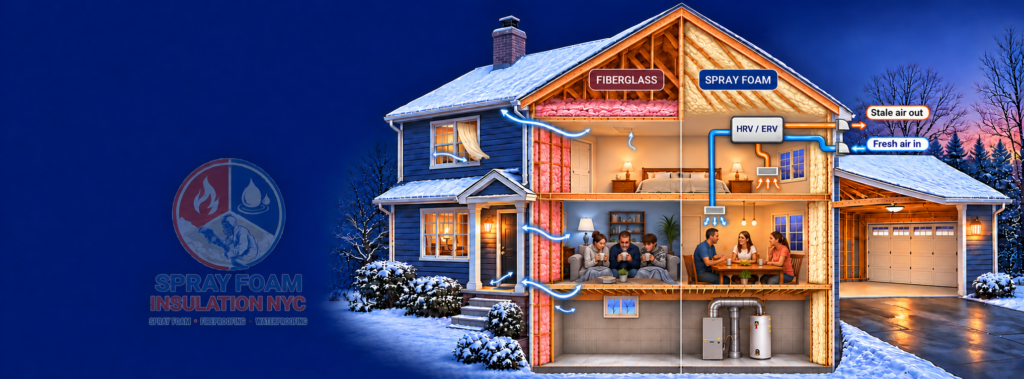
Insulation gaps and air leaks can make rooms lose heat faster. Cold spots near an attic hatch or drafts around outside walls can point to where to investigate. Equipment problems, blocked airflow, or duct leakage can also leave rooms underheated. If the equipment cannot reach the set temperature or is operating abnormally, have a qualified HVAC technician check it.
Compare energy use under similar conditions
Look at the amount of fuel or electricity used on your bills, alongside the billing period and the weather. Changes in rates can increase a bill even when consumption stays similar. A home energy assessment can help identify where improvements to the building may make the most difference.
Tell us where comfort breaks down
If you suspect the house is losing heat, tell us which rooms feel cold, what you know about the attic and basement, and whether you have already had the heating system checked. That information helps define the insulation questions worth investigating.