
If your feet are cold in one part of the house, look at what is directly below it. A crawl space can affect floor comfort when outdoor air moves through gaps around the floor framing or when insulation has slipped away from the subfloor. It can also have moisture problems that need attention before any insulation is added.
Match the symptoms to the area below
Mark the rooms with cold floors and note whether the chill is concentrated along outside walls or across the entire floor. If the crawl space can be viewed safely from the access, look for sagging insulation, gaps around plumbing, or exposed soil. A musty smell after rain or visible standing water is useful information to share with the contractor.
Choose where the air and insulation barriers will go
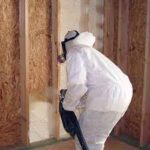
In a crawl space that stays vented and outside the conditioned house, the floor above is the boundary. The floor needs air sealing and insulation held against the subfloor. If the design calls for bringing the crawl space inside the conditioned area, the walls, ground moisture barrier, access door, and humidity control have to work together.
Resolve moisture and access first
A ground cover can limit vapor from the soil. Water entering after rain may require a separate drainage repair. Ask how the work will affect plumbing, electrical access, pest inspections, and any equipment in the space. A proposal should explain how openings, seams, and transitions will be handled.
Share the clues you found
When requesting a quote, include the rooms affected, the location of the crawl space access, and whether the space has vents or moisture. Those details help narrow down whether the work belongs at the floor above or around the crawl space perimeter.