Preventing Frozen Pipes

Preventing Frozen Pipes and Insulating Basement Walls with Spray Foam in NYC

Yes, using closed-cell spray foam is a highly effective, long-term solution to prevent pipes from freezing and to insulate cold, damp basement walls. It creates an airtight, water-resistant barrier that stops freezing air from contacting pipes while providing high R-value insulation.

Key Considerations for Spray Foaming Basement Walls & Pipes with Spray Foam Insulation NYC

Best Type

icon 2
Use closed-cell spray foam for superior insulation, water resistance, and structural strength.

Application Method

icon 1
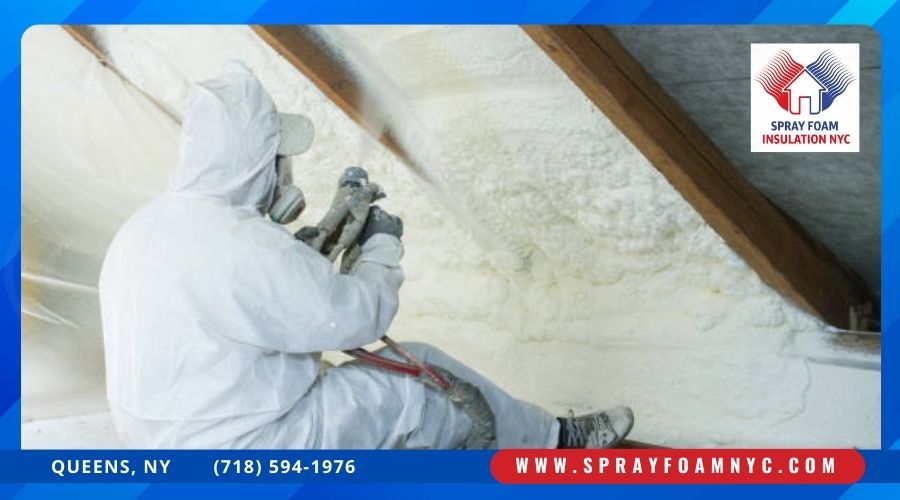
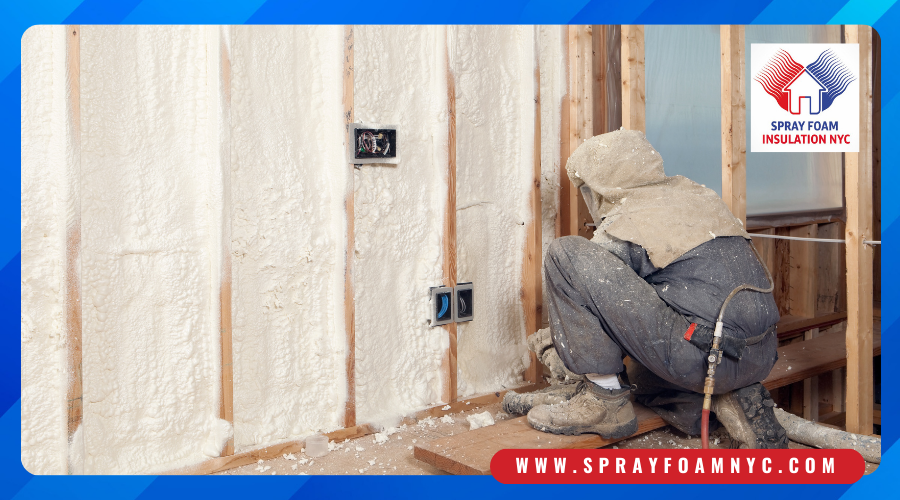
Spray the foam directly onto the interior, dry, rim joists and exterior basement walls to create a warm, sealed envelope.

Pipe Protection

icon 3
Place insulation behind the pipes. Ensure the pipes remain on the "warm side" of the insulation, allowing them to access heat from the house.

Maintenance & Risks

icon 4
Spray foam is permanent and will cover pipes/wires, making future access for repairs difficult.

Plastic Pipes: If you have PVC or PEX pipes, ensure the foam touches them but does not completely encase them to prevent overheating, especially with hot water lines.

Alternatives: If spraying the entire wall is too expensive, targeting only the rim joists is a common, high-impact alternative.

Important Safety & Installation Tips from Spray Foam Insulation NYC

Dry Environment: Ensure the basement is completely dry before applying foam to avoid trapping moisture, which can cause mold.
 

Professional Installation: While DIY kits exist, professional installation is strongly recommended to ensure proper coverage, air sealing, and to prevent over-spraying.


Identify Pipe Location: Map out your pipes before foaming in case you need to access them later.

What is Insulation R-Value?

The R-value is a measure of thermal resistance, indicating how well an insulating material resists the conductive flow of heat. A higher R-value signifies greater insulating power. For example, a material with an R-value of R-6 will resist heat transfer twice as effectively as a material with an R-value of R-3 of the same thickness. It’s crucial for energy efficiency, as a higher R-value means less heat loss in winter and less heat gain in summer, leading to lower energy bills and a more comfortable indoor environment.

Different types of insulation have varying R-values per inch. Closed-cell spray foam typically offers an R-value of R-6 to R-7 per inch, making it one of the most effective insulation materials available. This superior thermal performance contributes significantly to reducing energy consumption and improving overall building performance.

The Science of a Frozen Pipe

Pipes don’t burst because ice expands outward, but because of the immense pressure that builds between the ice blockage and the closed faucet. When water freezes, it expands by about 9%, according to information from the University of Illinois Extension. This expansion creates a plug of ice inside the pipe. As more water freezes, it pushes the trapped liquid water toward the closed end of the pipe, generating pressure that can exceed 2,000 pounds per square inch (PSI), which is more than enough to rupture steel, iron, or copper pipes.


Pipes located in unconditioned or poorly insulated areas are the most vulnerable:

    • Crawl spaces
    • Attics
    • Basements (especially near the rim joists)
    • Exterior walls
    • Garages

Effective insulation is the primary defense against this pressure build-up by keeping the pipe wall and the water inside it from reaching 32°F (0°C).

How Spray Foam Creates a Protective Barrier

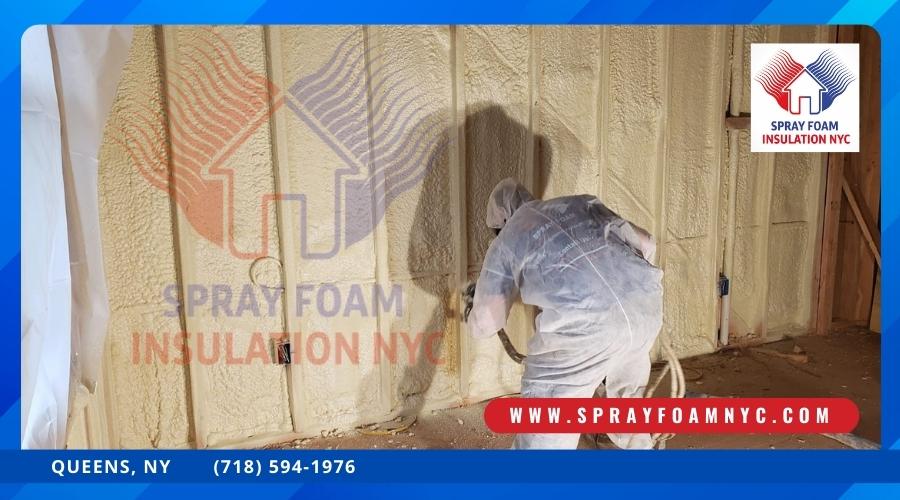
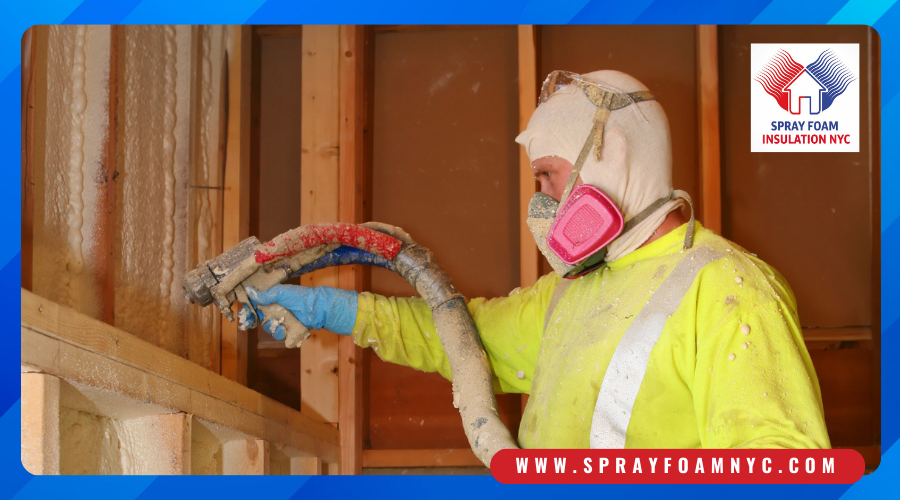
Spray Polyurethane Foam (SPF) is applied as a two-part liquid that mixes at the tip of a spray gun. When it hits a surface, it undergoes a chemical reaction, expanding up to 60 times its liquid volume before hardening into a solid foam. This process is key to its effectiveness.

There are two main types of spray foam, but one is clearly better for protecting pipes.

Closed-Cell Spray Foam for Pipe Protection

This is the recommended type for pipe insulation. It is dense, rigid, and has a high R-value, typically between R-6 and R-7 per inch. Its cellular structure is filled with a gas that makes it a poor conductor of heat. Critically, closed-cell foam is also a vapor barrier, meaning it repels moisture. This is extremely important in damp areas like crawl spaces, as it prevents condensation from forming on the pipes, which could lead to corrosion or mold.

Open-Cell Spray Foam (Not Recommended for Pipes)

Open-cell foam is lighter, more flexible, and has a lower R-value (around R-3.5 per inch). Its cells are not fully closed, allowing it to absorb and hold water, much like a sponge. While it's an excellent air barrier for other applications like sound dampening, its water-absorbent properties make it unsuitable for protecting pipes in potentially damp environments.

Insulation Method Effectiveness by Spray Foam Insulation NYC

Not all insulation performs equally when it comes to the unique challenges of protecting pipes. The right choice depends on creating a complete and durable thermal and air barrier. Spray Foam Insulation NYC specializes in delivering professional-grade closed-cell spray foam applications that provide maximum protection against frozen pipes, moisture intrusion, and energy loss.

Who We Serve?

At Spray Foam Insulation NYC, we are dedicated to providing top-tier insulation solutions across a diverse range of clients in the New York metropolitan area. Our expertise extends to:

  • Homeowners: Protecting residential properties from freezing pipes, improving energy efficiency, and enhancing indoor comfort.
  • Commercial Property Owners: Offering robust insulation for businesses, ensuring structural integrity, and reducing operational costs.
  • Property Managers: Collaborating with management companies to maintain and upgrade multi-family residences and commercial complexes.
  • Contractors & Developers: Partnering on new construction and renovation projects to integrate high-performance insulation systems.

Whether you’re in Manhattan, Brooklyn, Queens, Staten Island, The Bronx, Long Island, or New Jersey, our team is ready to deliver customized spray foam solutions tailored to your specific needs.

Our NYC Service Areas

Preventing Frozen Pipes and Insulating Basement Walls with Spray Foam in NYC

Manhattan, NY

Brooklyn, NY

Queens, NY

The Bronx, NY

Staten Island, NY

Spray Foam Insulation NYC
  • Local Expertise: We understand the specific building codes, climates, and architectural styles of each NYC borough and Long Island.

  • Quality Materials: We use high-grade, sustainably-sourced cellulose and fiberglass insulation materials.

  • Professional Installation: Our trained crews ensure even, dense coverage that meets or exceeds industry standards for performance.

  • Clear Communication: We explain the process, options, and benefits clearly, so you can make an informed decision.

Ready to improve your home’s comfort and efficiency? Contact Spray Foam Insulation NYC today for a free consultation and quote on blown-in insulation for your attic or walls.

Email: [email protected] | Phone: 718-594-1976 | Service Areas: Staten Island, Brooklyn, Manhattan, Queens, The Bronx, and Long Island.

News & Blog

Our Recent Articles

Spray Foam Insulation NYC social image

Crawl Space Insulation in Long Island

Expert crawl space encapsulation and insulation services throughout Long Island, focusing on Crawl Space Insulation in Long Island. Long Island’s Leading Crawl Space Insulation Experts ...
Read More →
Spray Foam Insulation Contractors in Queens Queens NY

Commercial Spray Foam

Professional insulation solutions for businesses of all sizes Commercial Benefits Optimize your building’s energy performance and reduce long-term operating costs Our Expertise With over 15 ...
Read More →
Cellulose Insulation - Spray Foam Insulation NYC

Basement Insulation in Long Island

Long Island’s Leading Basement Insulation Experts for Basement Insulation in Long Island Long Island presents unique insulation challenges that demand specialized expertise. Spray Foam Insulation NYC has ...
Read More →
soundproof spray foam insulation nyc

Spray Foam Insulation on Long Island

Long Island’s Trusted Spray Foam Insulation on Long Island Contractor Long Island’s unique geography—surrounded by water with diverse housing from North Shore estates to South ...
Read More →
Professional Retrofit Insulation Services in NYC

Spray Foam Insulation

The most effective insulation solution for maximum energy savings and comfort is Spray Foam Insulation. Why Choose Spray Foam? When it comes to energy efficiency, ...
Read More →
Spray Foam Insulation Services - Spray Foam Insulation

The Complete Guide to Spray Foam Insulation in NYC: Energy Savings and Comfort

Discover how spray foam insulation can transform your NYC property with superior energy efficiency, air sealing, and year-round comfort. Learn about the benefits, costs, and ...
Read More →

Save money and live more comfortably by increasing the energy efficiency of your home

Trusted Professionals in New York City

Spray foam Insulation, Fireproofing & Drywall Contractors Serving, New York City, Queens, Brooklyn, Staten Island, Manhattan, NJ. 

Frequently Asked Questions

You've Got Questions? We've Got the Answers!

What is spray foam insulation, and how does it work?

Spray foam insulation is a type of insulation that is made by mixing two chemicals that react to form a foam. The foam is then sprayed onto surfaces, where it expands and hardens into a solid material that provides excellent insulation.

Is spray foam insulation environmentally friendly?

Spray foam insulation is environmentally friendly because it can help reduce energy consumption, which in turn reduces greenhouse gas emissions. Additionally, spray foam insulation can be made from recycled materials.

Can spray foam insulation improve indoor air quality?

Spray foam insulation can help improve indoor air quality by reducing air infiltration and preventing moisture buildup, which can lead to the growth of mold and mildew.

What are the benefits of spray foam insulation compared to other types of insulation?

Spray foam insulation has several benefits over other types of insulation, including improved energy efficiency, better noise reduction, and increased moisture control.

Is spray foam insulation fire-resistant?

Spray foam insulation is typically fire-resistant, but it is important to check the specific type of insulation being used and ensure that it meets all necessary fire safety standards.

Is there any maintenance required for spray foam insulation?
  1. What is spray foam insulation, and how does it work?

Spray foam insulation is a type of insulation that is made by mixing two chemicals that react to form a foam. The foam is then sprayed onto surfaces, where it expands and hardens into a solid material that provides excellent insulation.

  1. How long does spray foam insulation last?

Spray foam insulation can last for many years if properly installed and maintained. It can last up to 80 years, which is much longer than other types of insulation.

  1. Is spray foam insulation environmentally friendly?

Spray foam insulation is environmentally friendly because it can help reduce energy consumption, which in turn reduces greenhouse gas emissions. Additionally, spray foam insulation can be made from recycled materials.

  1. Can spray foam insulation improve indoor air quality?

Spray foam insulation can help improve indoor air quality by reducing air infiltration and preventing moisture buildup, which can lead to the growth of mold and mildew.

  1. What are the benefits of spray foam insulation compared to other types of insulation?

Spray foam insulation has several benefits over other types of insulation, including improved energy efficiency, better noise reduction, and increased moisture control.

  1. Is spray foam insulation more expensive than other types of insulation?

Spray foam insulation is generally more expensive than other types of insulation, but it can provide long-term savings on energy bills and can last for decades.

  1. Can spray foam insulation help reduce noise levels in a home or building?

Yes, spray foam insulation can help reduce noise levels by blocking sound from entering or leaving a space.

  1. How long does it take to install spray foam insulation?

The time it takes to install spray foam insulation depends on the size of the area being insulated, but most installations can be completed in one day.

  1. What areas of a home or building can spray foam insulation be used in?

Spray foam insulation can be used in any area of a home or building, including walls, ceilings, attics, and crawl spaces.

  1. Can spray foam insulation be installed in existing homes or buildings?

Yes, spray foam insulation can be installed in existing homes or buildings by either spraying it directly onto surfaces or injecting it into existing wall cavities.

  1. Is spray foam insulation fire-resistant?

Spray foam insulation is typically fire-resistant, but it is important to check the specific type of insulation being used and ensure that it meets all necessary fire safety standards.

  1. What safety precautions should be taken during the installation of spray foam insulation?

During installation, it is important to wear protective clothing, eye protection, and respiratory masks. The installation area should also be well-ventilated to prevent the buildup of fumes.

  1. Can spray foam insulation be removed if needed?

Spray foam insulation can be removed, but the process can be difficult and expensive. It is usually best to avoid removing it unless absolutely necessary.

  1. How does spray foam insulation compare to fiberglass insulation in terms of energy efficiency?

Spray foam insulation is typically more energy-efficient than fiberglass insulation because it provides a better seal and prevents air leakage.

  1. Is there any maintenance required for spray foam insulation?

No, spray foam insulation does not require any maintenance. It is a long-lasting, low-maintenance insulation option.
Spray Foam Insulation NYC is a SPFA Member
SPFA Membership Certificate