Compare cellulose vs. fiberglass insulation for attics, walls, and existing homes. Discover the best option for comfort and energy efficiency in NYC.
Which Insulation Is Right for Your Home or Building?
Choosing the right insulation can make a significant difference in your home’s comfort, energy costs, and indoor air quality. At Spray Foam Insulation NYC, we install both cellulose insulation and fiberglass insulation, helping homeowners, builders, and property managers select the best solution for their project.
Whether you’re insulating an attic, walls, ceilings, or an existing home, understanding the differences between these two insulation types is the first step toward making an informed decision.
How Spray Foam Insulation Works?
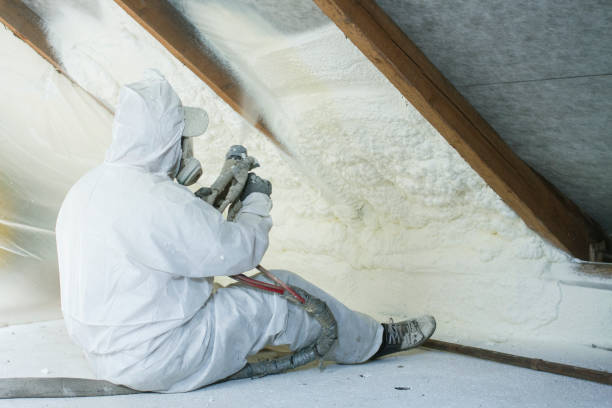
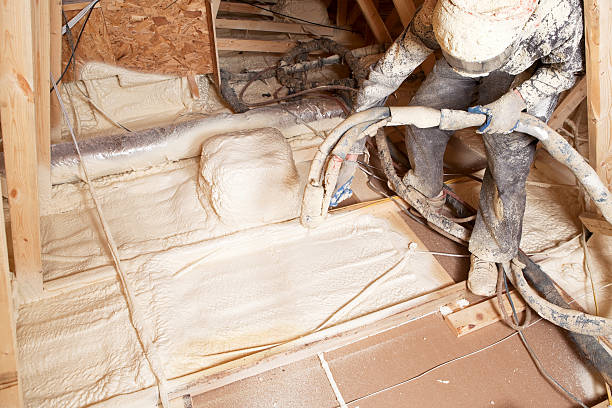
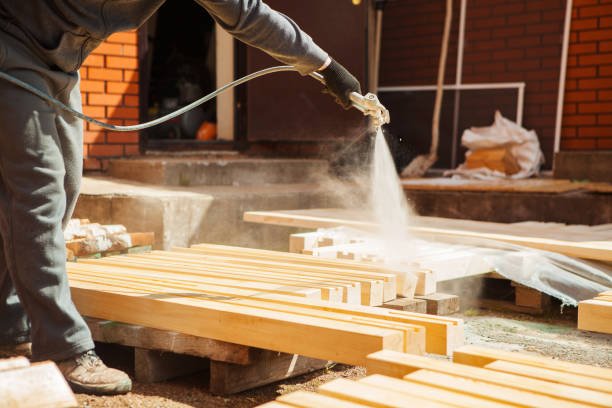
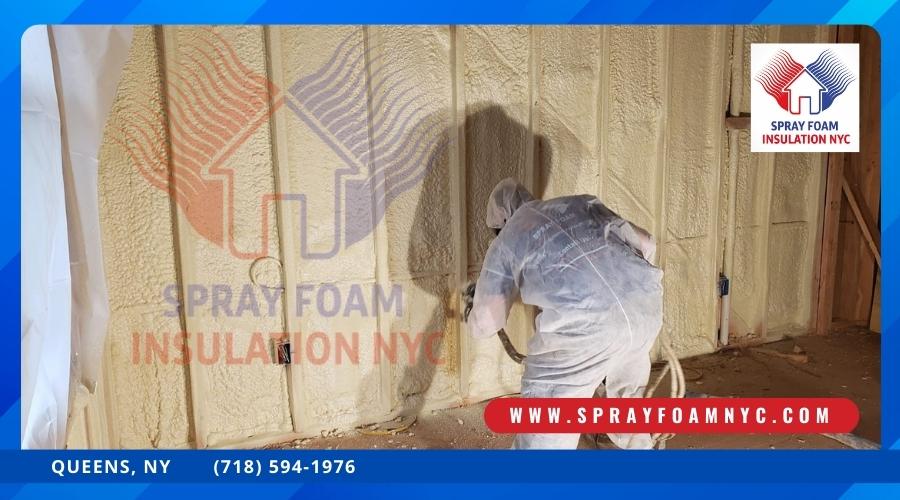
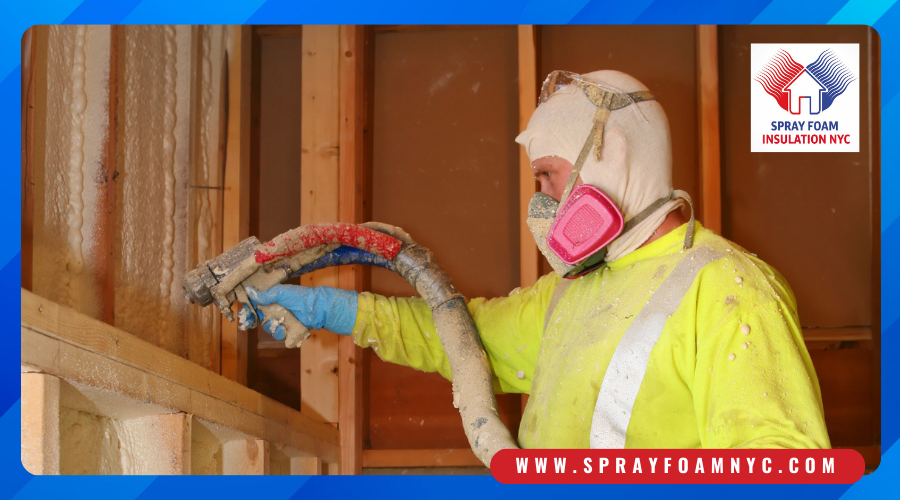
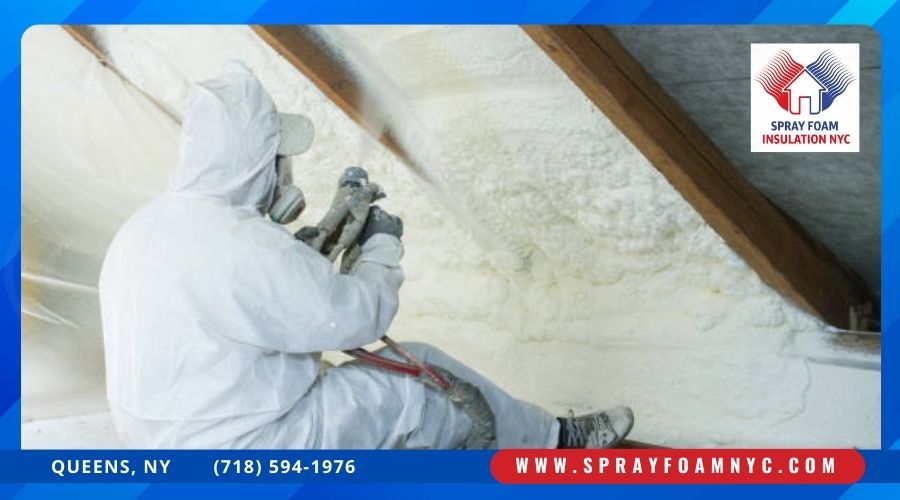
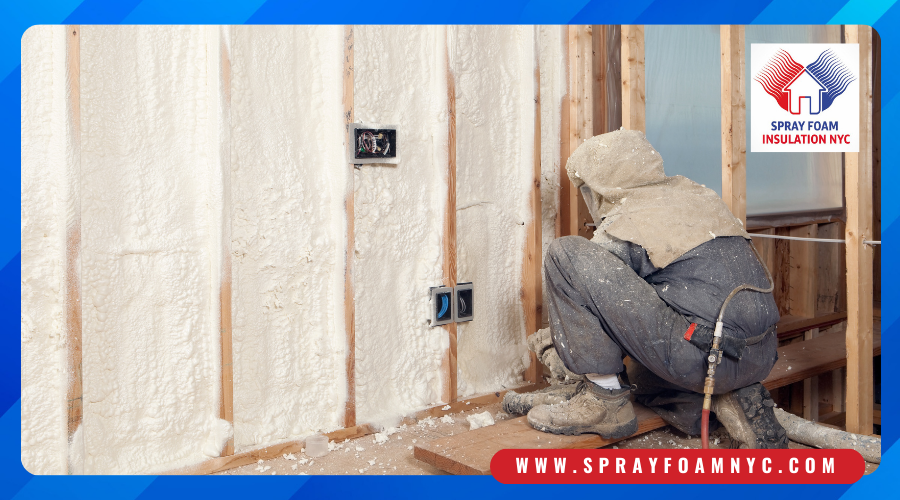
Spray foam is typically applied within the cavities of your home. It forms a continuous barrier on the surface it is applied to. The foam is typically stored as two separate chemicals and is mixed onsite as it’s applied.
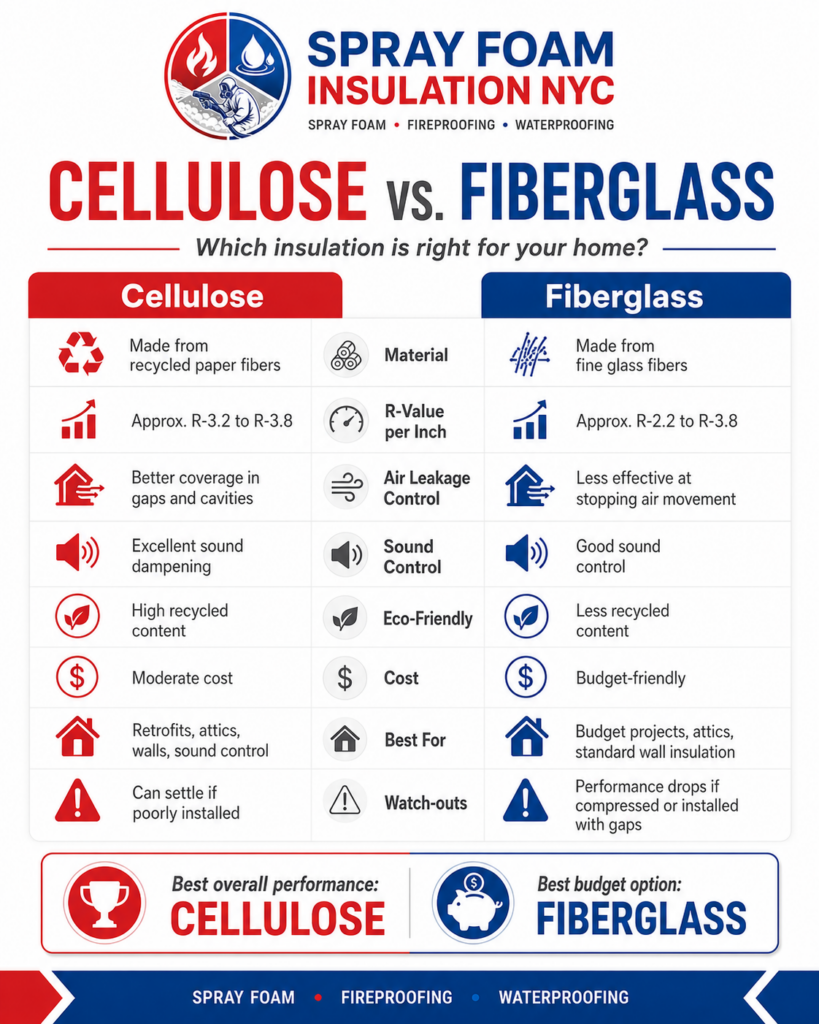
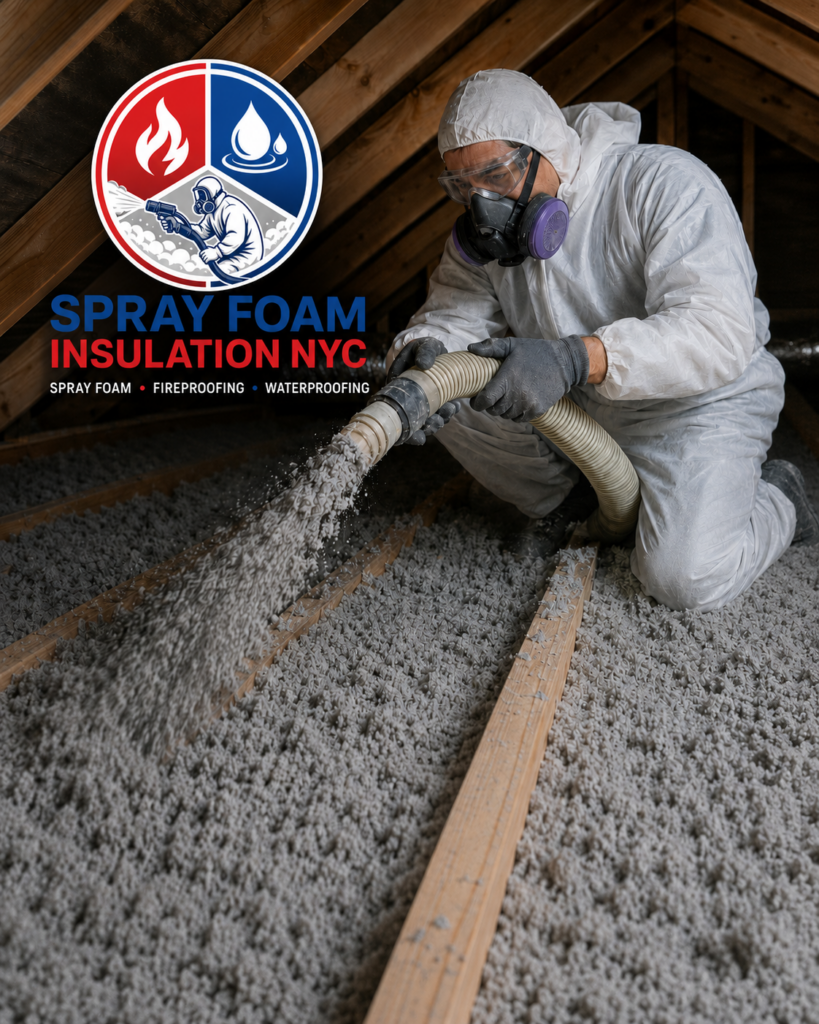
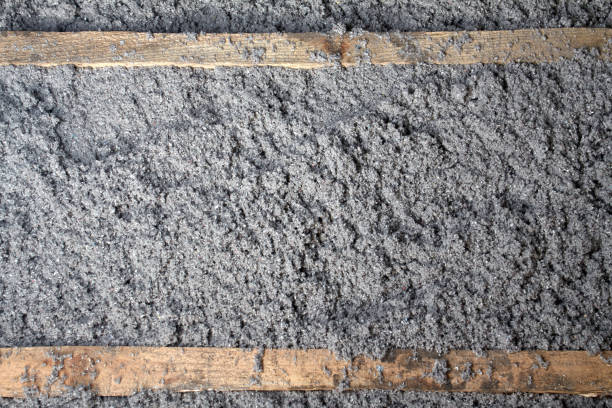
Cellulose insulation is a premium loose-fill insulation made primarily from recycled paper fibers treated with fire-resistant minerals.
✔ Excellent thermal performance
✔ Superior sound reduction
✔ Dense installation that fills gaps and voids
✔ Helps reduce unwanted air movement
✔ Environmentally friendly with high recycled content
✔ Ideal for attic upgrades and existing wall cavities
✔ Great choice for retrofit insulation projects
Cellulose conforms around wiring, plumbing, and irregular framing better than fiberglass, making it an excellent solution for many older homes throughout New York City, Long Island, and New Jersey.
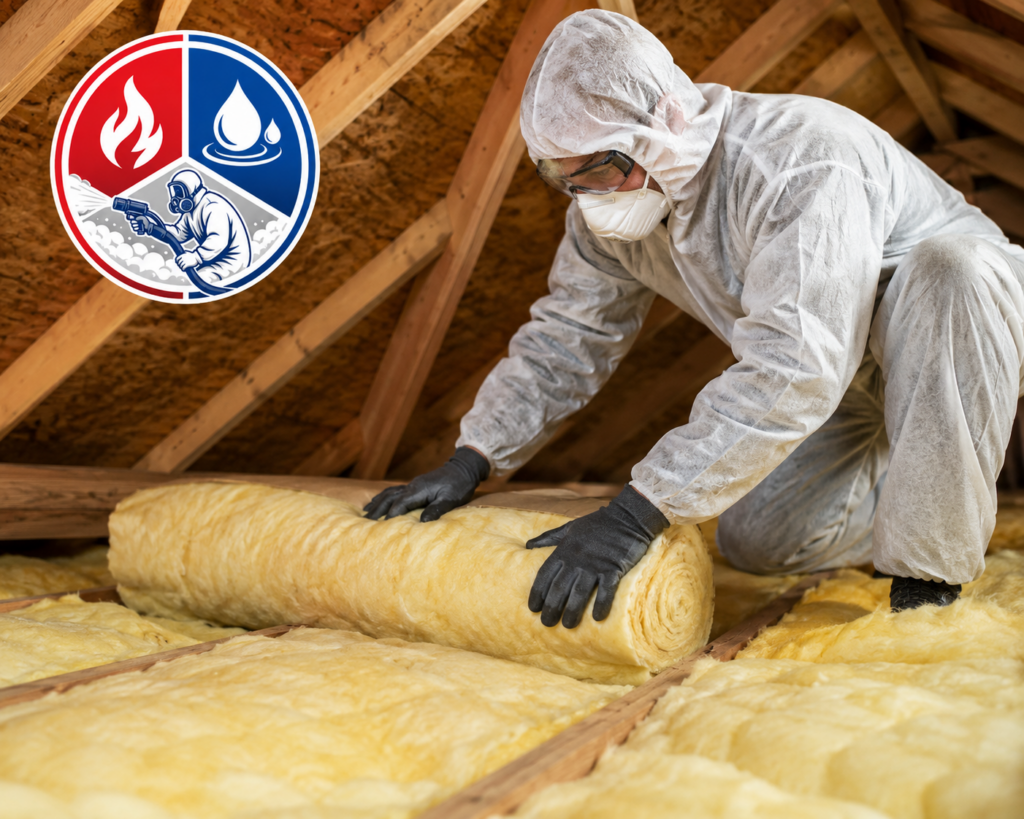
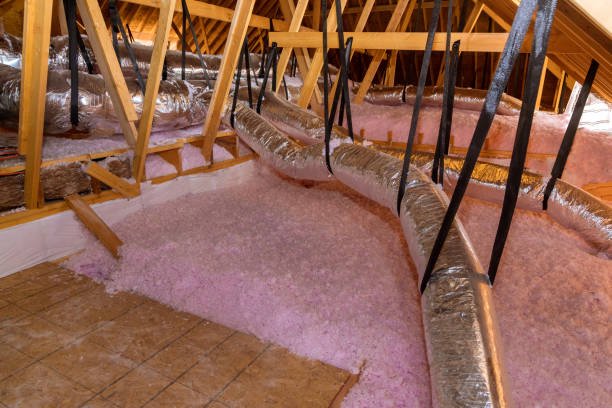
Fiberglass insulation remains one of the most common insulation materials due to its affordability and versatility.
✔ Budget-friendly
✔ Proven thermal insulation
✔ Lightweight material
✔ Naturally non-combustible
✔ Excellent for new construction
✔ Available in batts and blown-in applications
Fiberglass performs best when installed correctly with minimal gaps or compression.
Overall, hiring a professional spray foam insulation service contractor can help ensure that your insulation is installed correctly and efficiently, providing long-lasting benefits such as improved energy efficiency, reduced noise levels, and better moisture control.
We uphold the highest standards in all our projects to ensure our clients are happy with what we deliver.
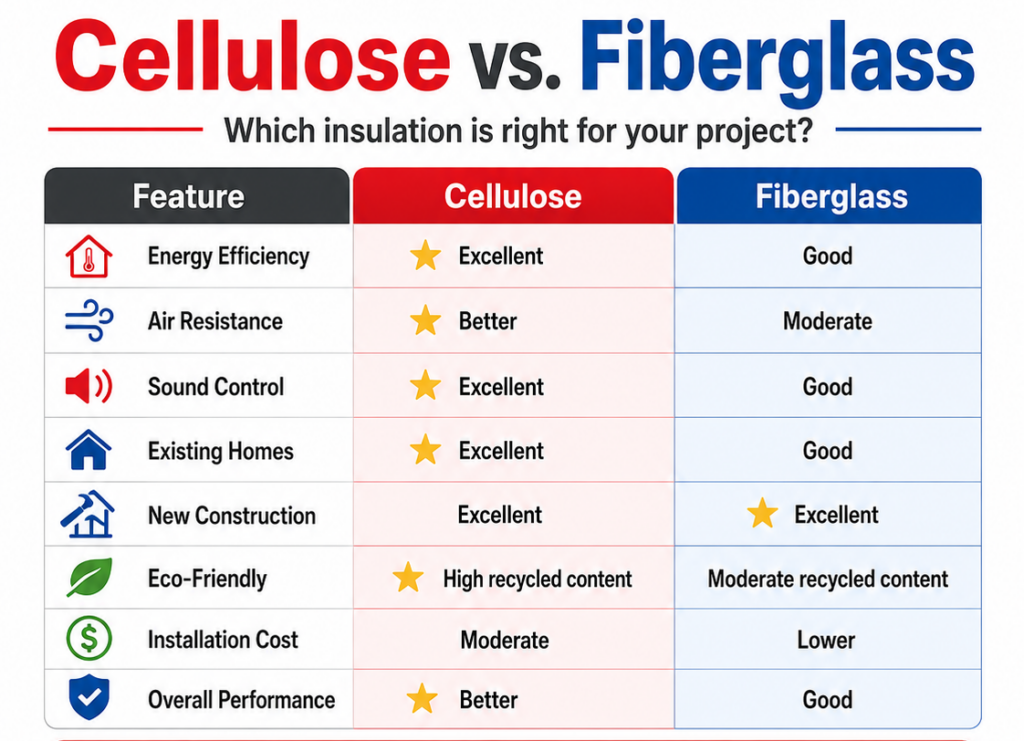
For most attic upgrades and retrofit insulation projects, cellulose insulation offers better overall performance.
Its dense application helps fill hidden gaps, improves sound control, and reduces unwanted air movement, making homes more comfortable year-round.
Fiberglass remains an excellent option for budget-conscious projects and new construction where wall cavities are fully open during installation.
At Spray Foam Insulation NYC, we recommend insulation in the following order based on overall performance:
🥇 Closed-Cell Spray Foam
🥈 Open-Cell Spray Foam
🥉 Cellulose Insulation
4️⃣ Fiberglass Insulation
If spray foam isn’t the right fit for your project or budget, cellulose insulation is typically our preferred alternative because of its superior thermal and air-sealing performance.
We provide expert insulation services for:
Our experienced team helps you choose the insulation system that best matches your building, budget, and long-term performance goals.
Spray Foam Insulation NYC proudly serves:
Not sure whether cellulose or fiberglass is right for your project?
Our insulation specialists will evaluate your property and recommend the most effective solution based on your goals, budget, and building conditions.
Call: (718) 594-1976
Email: [email protected]
Website: https://sprayfoamnyc.com
News & Blog
Trusted Professionals in New York City
Spray foam Insulation, Fireproofing & Drywall Contractors Serving, New York City, Queens, Brooklyn, Staten Island, Manhattan, NJ.
Frequently Asked Questions
Spray foam insulation is a type of insulation that is made by mixing two chemicals that react to form a foam. The foam is then sprayed onto surfaces, where it expands and hardens into a solid material that provides excellent insulation.
Spray foam insulation is environmentally friendly because it can help reduce energy consumption, which in turn reduces greenhouse gas emissions. Additionally, spray foam insulation can be made from recycled materials.
Spray foam insulation can help improve indoor air quality by reducing air infiltration and preventing moisture buildup, which can lead to the growth of mold and mildew.
Spray foam insulation has several benefits over other types of insulation, including improved energy efficiency, better noise reduction, and increased moisture control.
Spray foam insulation is typically fire-resistant, but it is important to check the specific type of insulation being used and ensure that it meets all necessary fire safety standards.
Spray foam insulation is a type of insulation that is made by mixing two chemicals that react to form a foam. The foam is then sprayed onto surfaces, where it expands and hardens into a solid material that provides excellent insulation.
Spray foam insulation can last for many years if properly installed and maintained. It can last up to 80 years, which is much longer than other types of insulation.
Spray foam insulation is environmentally friendly because it can help reduce energy consumption, which in turn reduces greenhouse gas emissions. Additionally, spray foam insulation can be made from recycled materials.
Spray foam insulation can help improve indoor air quality by reducing air infiltration and preventing moisture buildup, which can lead to the growth of mold and mildew.
Spray foam insulation has several benefits over other types of insulation, including improved energy efficiency, better noise reduction, and increased moisture control.
Spray foam insulation is generally more expensive than other types of insulation, but it can provide long-term savings on energy bills and can last for decades.
Yes, spray foam insulation can help reduce noise levels by blocking sound from entering or leaving a space.
The time it takes to install spray foam insulation depends on the size of the area being insulated, but most installations can be completed in one day.
Spray foam insulation can be used in any area of a home or building, including walls, ceilings, attics, and crawl spaces.
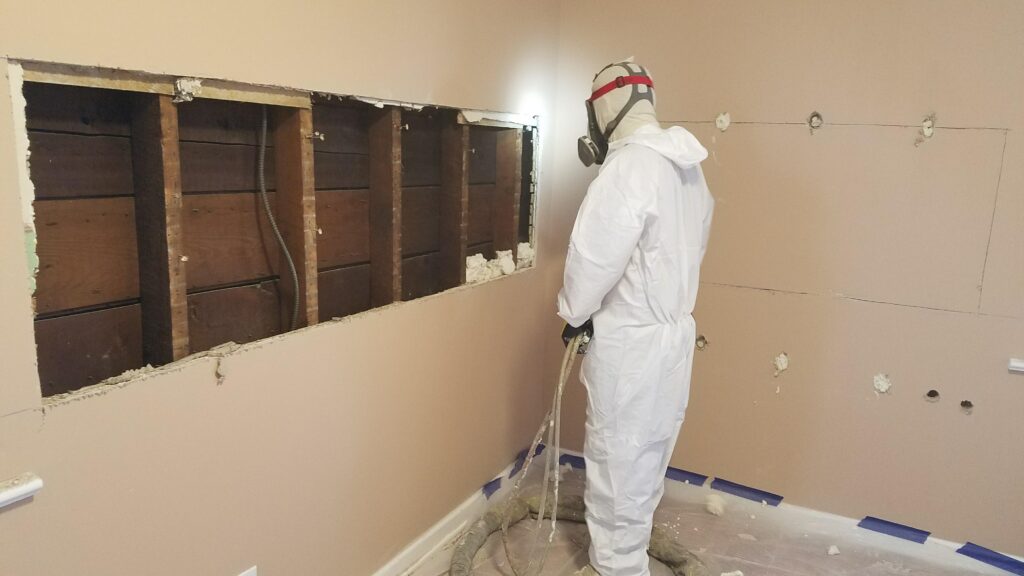
Yes, spray foam insulation can be installed in existing homes or buildings by either spraying it directly onto surfaces or injecting it into existing wall cavities.
Spray foam insulation is typically fire-resistant, but it is important to check the specific type of insulation being used and ensure that it meets all necessary fire safety standards.
During installation, it is important to wear protective clothing, eye protection, and respiratory masks. The installation area should also be well-ventilated to prevent the buildup of fumes.
Spray foam insulation can be removed, but the process can be difficult and expensive. It is usually best to avoid removing it unless absolutely necessary.
Spray foam insulation is typically more energy-efficient than fiberglass insulation because it provides a better seal and prevents air leakage.
No, spray foam insulation does not require any maintenance. It is a long-lasting, low-maintenance insulation option.
Lorem ipsum dolor sit amet, consectetur adipiscing elit. Ut elit tellus, luctus nec ullamcorper mattis, pulvinar dapibus leo.