Can I Install Insulation Myself or Should I Hire a Professional?Can I Install Insulation Myself, or Should I Hire a Professional?
As a homeowner, ensuring your property is energy-efficient and comfortable is paramount. One effective way to achieve this is through proper insulation. With different types of insulation available, including spray foam insulation, many homeowners wonder, “Can I install insulation myself, or should I hire a professional insulation installation?” In this article, we’ll explore the pros and cons of DIY insulation projects versus hiring experts, helping you make an informed decision for your home in New York City or Long Island.
Understanding Insulation
Before diving into the installation process, it’s essential to understand what insulation is and its benefits of insulation. Insulation is a material used to reduce heat transfer between areas, making your home more energy-efficient. It helps maintain a consistent indoor temperature, reduces energy bills, and enhances comfort.
Types of Insulation
- Fiberglass Insulation: Common and cost-effective, suitable for attics and walls.
- Spray Foam Insulation: Offers superior thermal resistance and air sealing. Excellent for hard-to-reach areas.
- Foam Board Insulation: Rigid panels that provide high insulating value for interior and exterior walls.
- Cellulose Insulation: Made from recycled paper, an eco-friendly option.
DIY Insulation Installation: Pros and Cons
Many homeowners are tempted to install insulation themselves to save on labor costs. However, DIY insulation installation comes with its own set of advantages and challenges.
Advantages of DIY Insulation Installation
- Cost Savings: You can save on labor costs by doing the work yourself.
- Flexibility: Schedule your project according to your availability.
- Learning Experience: Gain valuable skills and knowledge about home improvement.
Disadvantages of DIY Insulation Installation
- Time-Consuming: It may take longer than anticipated, especially if you’re inexperienced.
- Health Risks: Certain insulation materials can pose health risks if not handled correctly.
- Quality Concerns: Incorrect installation can lead to poor insulation performance and higher energy bills.
Hiring a Professional: When to Consider It
While installing insulation yourself is an option, there are many compelling reasons to hire a professional insulation installation, especially for more complex projects.
Advantages of Hiring a Professional
- Expertise: Professionals have the training and experience to ensure a proper installation.
- Efficiency: Professionals can often complete the job more quickly than a DIYer.
- Quality Assurance: A professional installation often comes with a warranty, giving you peace of mind.
- Compliance: Professionals are familiar with local building codes and regulations, ensuring your installation complies.
Cost Considerations
The cost of hiring a professional can vary widely based on several factors including the type of insulation, the size of the area to be insulated, and local labor rates. In New York City and Long Island, you can expect to pay a premium for professional services due to the higher cost of living. However, consider the long-term savings on energy bills and the assurance of a job well done.
Steps for DIY Insulation Installation
If you decide to take on the challenge of installing insulation yourself, it’s crucial to be prepared. Here’s a step-by-step guide to help you through the process.
Materials and Tools Needed
- Insulation material (fiberglass, spray foam insulation, etc.)
- Utility knife
- Measuring tape
- Protective gear (gloves, mask, goggles)
- Staple gun (for fiberglass insulation)
- Foam spray gun (for spray foam insulation)
Step-by-Step Installation Process
- Measure the Area: Accurately measure the spaces where you’ll install insulation to determine how much material you’ll need.
- Choose the Right Insulation: Select the insulation type that fits your needs and budget.
- Prepare the Space: Clear the area of any debris, and ensure it’s dry for optimal installation.
- Wear Protective Gear: Safety first! Wear gloves, a mask, and goggles while handling insulation materials.
- Install the Insulation: Follow the manufacturer’s instructions for installation. For fiberglass, cut it to size and press it into place. For spray foam insulation, use the spray can to apply it evenly.
- Seal the Edges: Ensure there are no gaps or holes to maximize energy efficiency.
Safety Considerations
Regardless of whether you choose to DIY or hire a professional insulation installation, safety should always be a priority. Here are some important safety tips to consider:
- Always wear protective clothing, including gloves, a mask, and goggles.
- Ensure adequate ventilation in the workspace, particularly when using spray foam insulation.
- Be aware of the potential for asbestos in older homes, and consult a professional if you suspect its presence.
Frequently Asked Questions (FAQs)
1. How much can I save by installing insulation myself?
The savings can vary based on the size of the project and local labor costs, but you can often save 30-50% on labor if you do it yourself.
2. Can I install spray foam insulation myself?
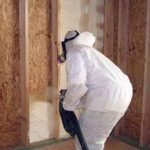
While it is possible, spray foam insulation requires special equipment and techniques. Improper application can lead to issues, so hiring a professional is often recommended for spray foam.
3. How long does insulation last?
Quality insulation can last anywhere from 20 to 100 years, depending on the type and environmental conditions.
Conclusion: Making the Right Choice for Your Home
Deciding whether to install insulation yourself or hire a professional depends on various factors, including your skill level, budget, and the specifics of your project. While DIY insulation installation can save money, it requires time and effort, and carries associated risks. On the other hand, hiring a professional ensures a high-quality installation that conforms to local regulations and standards.
Ultimately, your home deserves the best insulation to ensure comfort and energy efficiency. If you’re considering professional assistance for insulation in New York City or Long Island, contact our experienced team today for a consultation!