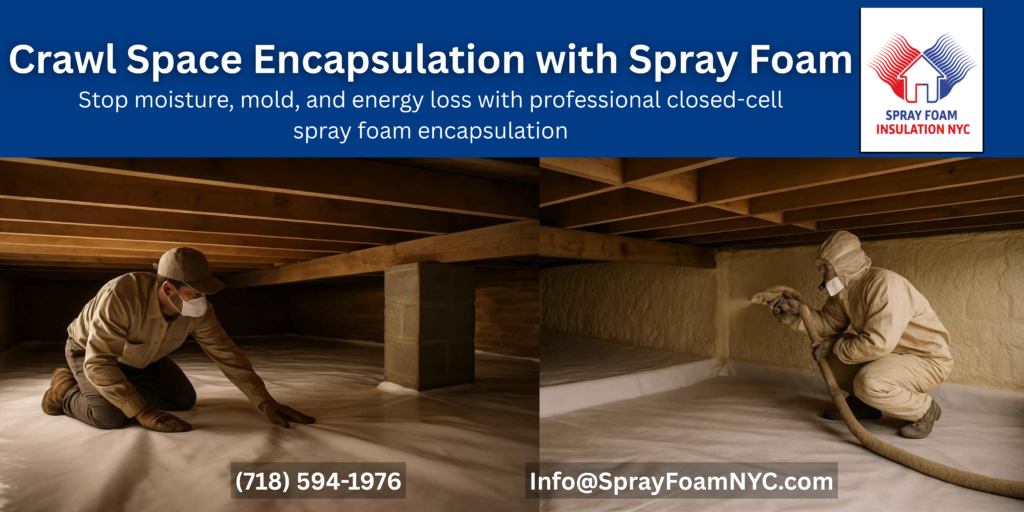
Stop moisture, mold, and energy loss with professional closed-cell spray foam encapsulation
A damp, unsealed crawl space is one of the most common hidden problems in residential buildings. Moisture intrusion, mold growth, energy loss, and poor indoor air quality often start below the floor and work their way up. Crawl space encapsulation with closed-cell spray foam is the most effective long-term solution to these issues when done correctly.
Unlike basic insulation or temporary moisture fixes, full encapsulation turns the crawl space into a controlled, sealed environment that protects the structure and improves the performance of the entire home.
At Spray Foam Insulation NYC, crawl space insulation is a key factor in maintaining energy efficiency and comfort in your home. Unfortunately, many crawl spaces are poorly insulated – or not insulated at all! The experts at Green Building Advisor are straightforward: “Crawl space walls should be insulated with rigid foam or closed-cell spray polyurethane foam.”
Crawl spaces are naturally vulnerable. Exposed soil releases moisture, outside air infiltrates through vents and gaps, and temperature differences cause condensation. Over time, this leads to rot, mold, odors, higher energy bills, and uncomfortable living conditions.
Spray foam encapsulation addresses the root causes, not just the symptoms.
A properly encapsulated crawl space delivers comprehensive protection and performance improvements
It’s important to note that spray foam does not kill existing mold, which is why proper cleaning and treatment must happen first. Professional mold remediation should be completed before encapsulation begins.
A successful encapsulation follows a strict sequence. Skipping steps or cutting corners leads to moisture problems and premature failure.
Fiberglass and rigid board insulation cannot air seal effectively and often fail in damp environments. Closed-cell spray foam adheres directly to masonry and wood, seals irregular surfaces, and does not sag or absorb moisture over time.
When paired with a vapor barrier and dehumidifier, it creates a durable, maintenance-friendly system.
At Spray Foam Insulation NYC, we have insulated and encapsulated hundreds of crawl spaces in the Greater New York City Area and know what it takes to eliminate every problem your crawl space might cause.
Professional crawl space encapsulation throughout New York City and surrounding areas

Local Expertise: We understand the specific building codes, climates, and architectural styles of each NYC borough and Long Island.
Quality Materials: We use high-grade, sustainably-sourced cellulose and fiberglass insulation materials.
Professional Installation: Our trained crews ensure even, dense coverage that meets or exceeds industry standards for performance.
Clear Communication: We explain the process, options, and benefits clearly, so you can make an informed decision.
Ready to improve your home’s comfort and efficiency? Contact Spray Foam Insulation NYC today for a free consultation and quote on blown-in insulation for your attic or walls.
Email: [email protected] | Phone: 718-594-1976 | Service Areas: Staten Island, Brooklyn, Manhattan, Queens, The Bronx, and Long Island.
News & Blog
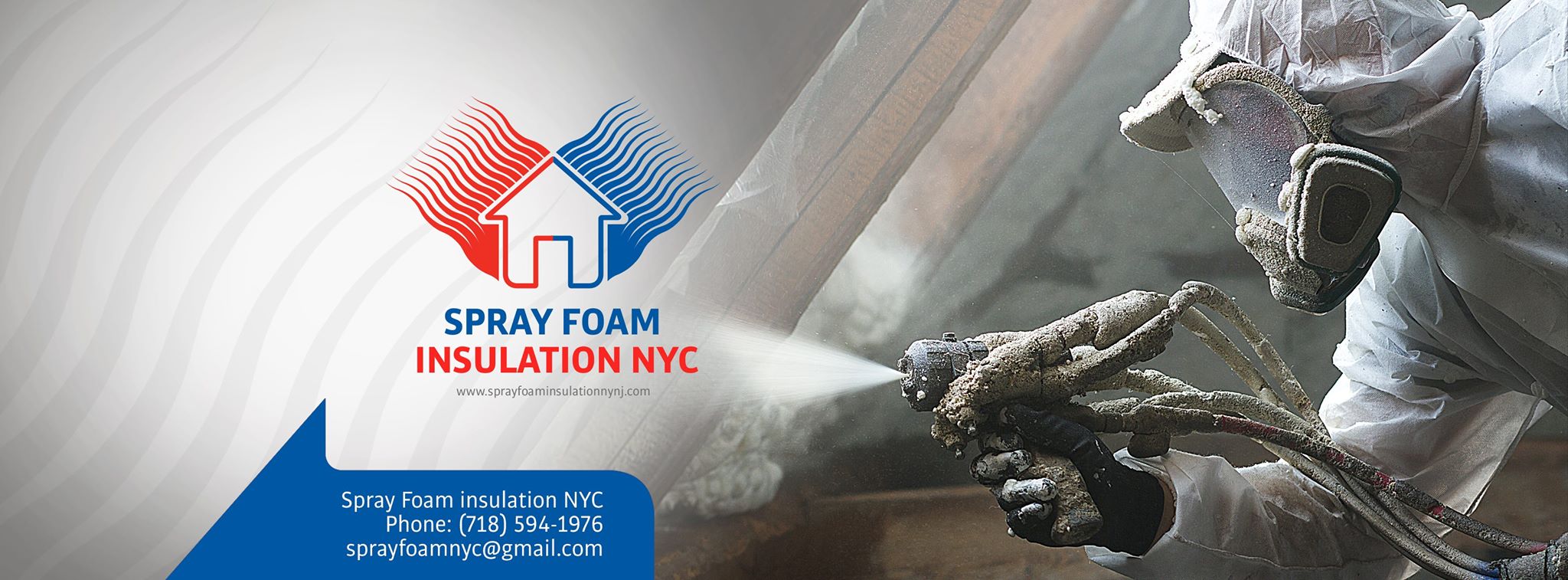

Trusted Professionals in New York City
Spray foam Insulation, Fireproofing & Drywall Contractors Serving, New York City, Queens, Brooklyn, Staten Island, Manhattan, NJ.
Frequently Asked Questions
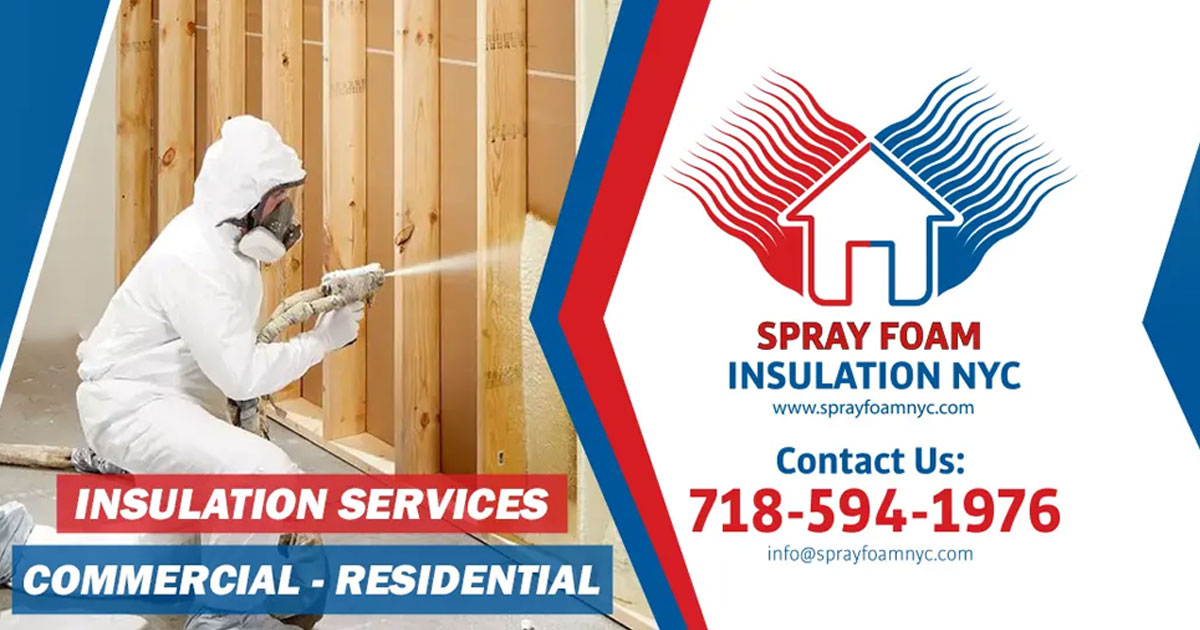
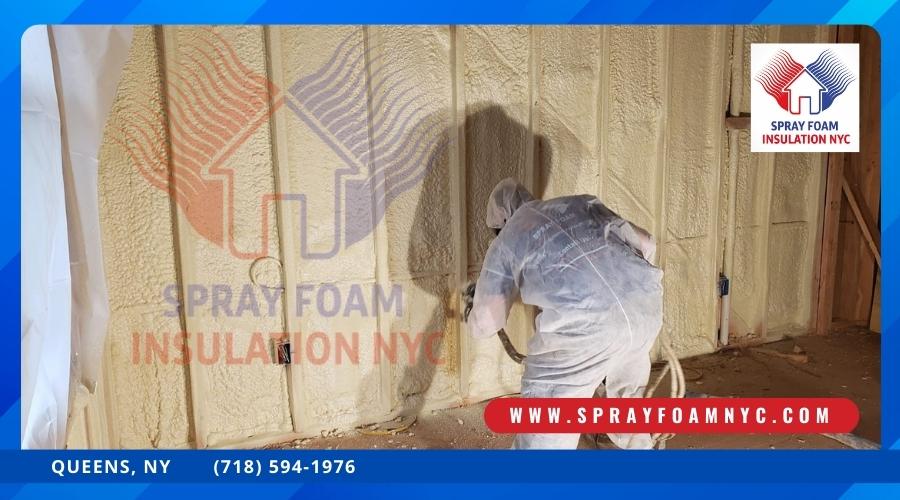
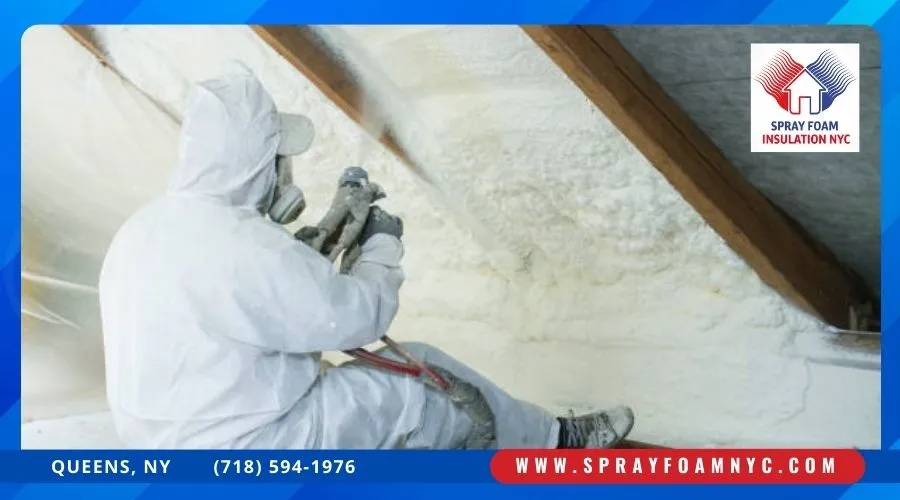
Spray foam insulation is a type of insulation that is made by mixing two chemicals that react to form a foam. The foam is then sprayed onto surfaces, where it expands and hardens into a solid material that provides excellent insulation.
Spray foam insulation is environmentally friendly because it can help reduce energy consumption, which in turn reduces greenhouse gas emissions. Additionally, spray foam insulation can be made from recycled materials.
Spray foam insulation can help improve indoor air quality by reducing air infiltration and preventing moisture buildup, which can lead to the growth of mold and mildew.
Spray foam insulation has several benefits over other types of insulation, including improved energy efficiency, better noise reduction, and increased moisture control.
Spray foam insulation is typically fire-resistant, but it is important to check the specific type of insulation being used and ensure that it meets all necessary fire safety standards.
Spray foam insulation is a type of insulation that is made by mixing two chemicals that react to form a foam. The foam is then sprayed onto surfaces, where it expands and hardens into a solid material that provides excellent insulation.
Spray foam insulation can last for many years if properly installed and maintained. It can last up to 80 years, which is much longer than other types of insulation.
Spray foam insulation is environmentally friendly because it can help reduce energy consumption, which in turn reduces greenhouse gas emissions. Additionally, spray foam insulation can be made from recycled materials.
Spray foam insulation can help improve indoor air quality by reducing air infiltration and preventing moisture buildup, which can lead to the growth of mold and mildew.
Spray foam insulation has several benefits over other types of insulation, including improved energy efficiency, better noise reduction, and increased moisture control.
Spray foam insulation is generally more expensive than other types of insulation, but it can provide long-term savings on energy bills and can last for decades.
Yes, spray foam insulation can help reduce noise levels by blocking sound from entering or leaving a space.
The time it takes to install spray foam insulation depends on the size of the area being insulated, but most installations can be completed in one day.
Spray foam insulation can be used in any area of a home or building, including walls, ceilings, attics, and crawl spaces.
Yes, spray foam insulation can be installed in existing homes or buildings by either spraying it directly onto surfaces or injecting it into existing wall cavities.
Spray foam insulation is typically fire-resistant, but it is important to check the specific type of insulation being used and ensure that it meets all necessary fire safety standards.
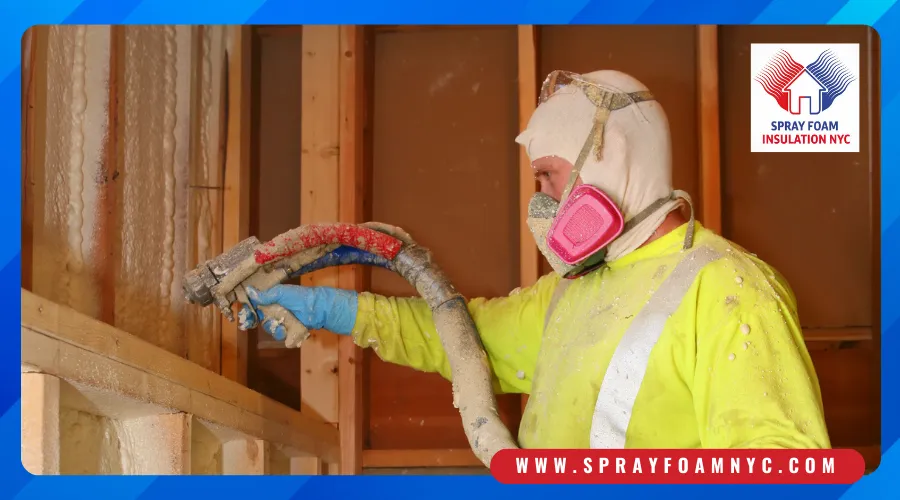
During installation, it is important to wear protective clothing, eye protection, and respiratory masks. The installation area should also be well-ventilated to prevent the buildup of fumes.
Spray foam insulation can be removed, but the process can be difficult and expensive. It is usually best to avoid removing it unless absolutely necessary.
Spray foam insulation is typically more energy-efficient than fiberglass insulation because it provides a better seal and prevents air leakage.
No, spray foam insulation does not require any maintenance. It is a long-lasting, low-maintenance insulation option.